Highlights from the Week's News
This Week in Water™ airs on community and public radio stations nationwide and is available on podcast networks. Want environmental news delivered to your inbox? Sign up for our newsletter.
Is It Fluoride's Last Ride?
October 06, 2024
Hurricane Helene Dropped Two Feet of Water, Likely Because of Global Warming
It was the deadliest storm to hit the U.S. since Katrina in 2005. On Sunday, October 6, more than a week after Hurricane Helene struck a huge swath of the Southeast, hundreds of thousands are still without power and drinking water, as well as ways to communicate with the outside world. .
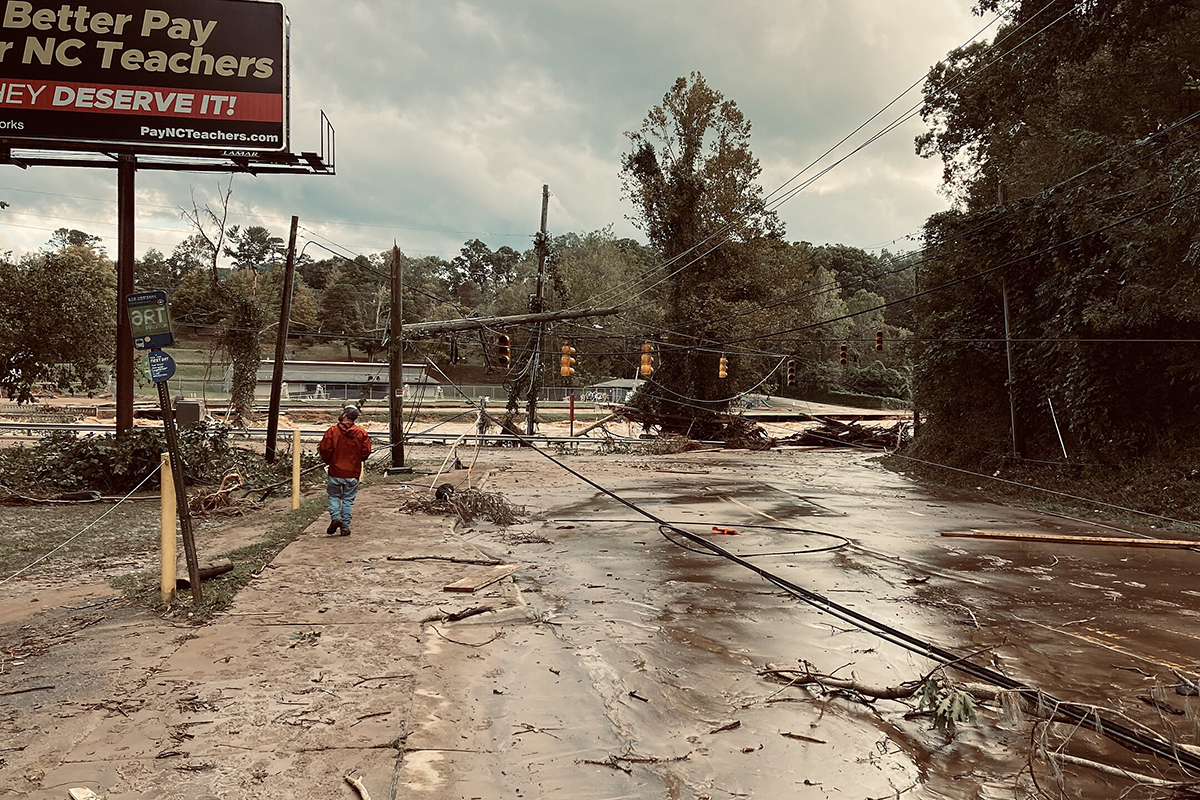
Hurricane Helene caused widespread devastation in western North Carolina (27 September 2024). | Credit: Bill McMannis/Creative Commons
People had considered the mountainous area of Asheville, North Carolina, to be a climate haven from disasters caused by global warming, but after Helene inundated the region and killed at least 227 people with dozens still missing, those dreams have been shattered. Because so many roads were washed out in places, rescue groups have been delivering aid to some communities by foot, mule trains, and helicopters.
More than two feet of rain fell in parts of Helene’s path, and a preliminary report from the Lawrence Berkeley Lab said that warming due to climate change created 50 percent more precipitation over parts of Georgia and the Carolinas than would have otherwise been expected. The report added that the amount of rain was up to 20 times more likely in the region because of global warming.
As frequent listeners know, global warming increases the power of storms because it loads the atmosphere with more water and energy. The warm waters in the Gulf of Mexico were in part responsible for the rapid intensification of Helene, according to NASA.
The situation in western North Carolina was worse because the area has steep slopes where heavy rainfall can cause flash flooding and landslides. The mountains block weather systems from moving, so they drop more rain. Also, parts of Tennessee and North Carolina had been saturated by heavy rain before Helene, as the North Carolina State Climate Office reported. Jesse Keenan, a professor at Tulane University, told E&E News that there is no such thing as a climate haven.
Another hurricane in the Gulf of Mexico, named Milton, is expected to make landfall in Florida as a Category 3 hurricane in the middle of this week and it could affect some areas that were hit by Helene.
California Will Soon Require Textile Manufacturers to Recycle Their Products
Clothing has a huge impact on the environment, with about 60 percent being made from synthetic plastic fibers like nylon, polyester, and acrylics that can get washed as micro particles into the ocean. Also, it takes a lot of water to make clothes. For example, a t-shirt and pair of jeans require the equivalent of about 12,000 one-liter bottles. Much of our clothing ends up in landfills—85 percent—where, according to the Guardian, it emits methane and releases chemicals and dyes into groundwater and soils.
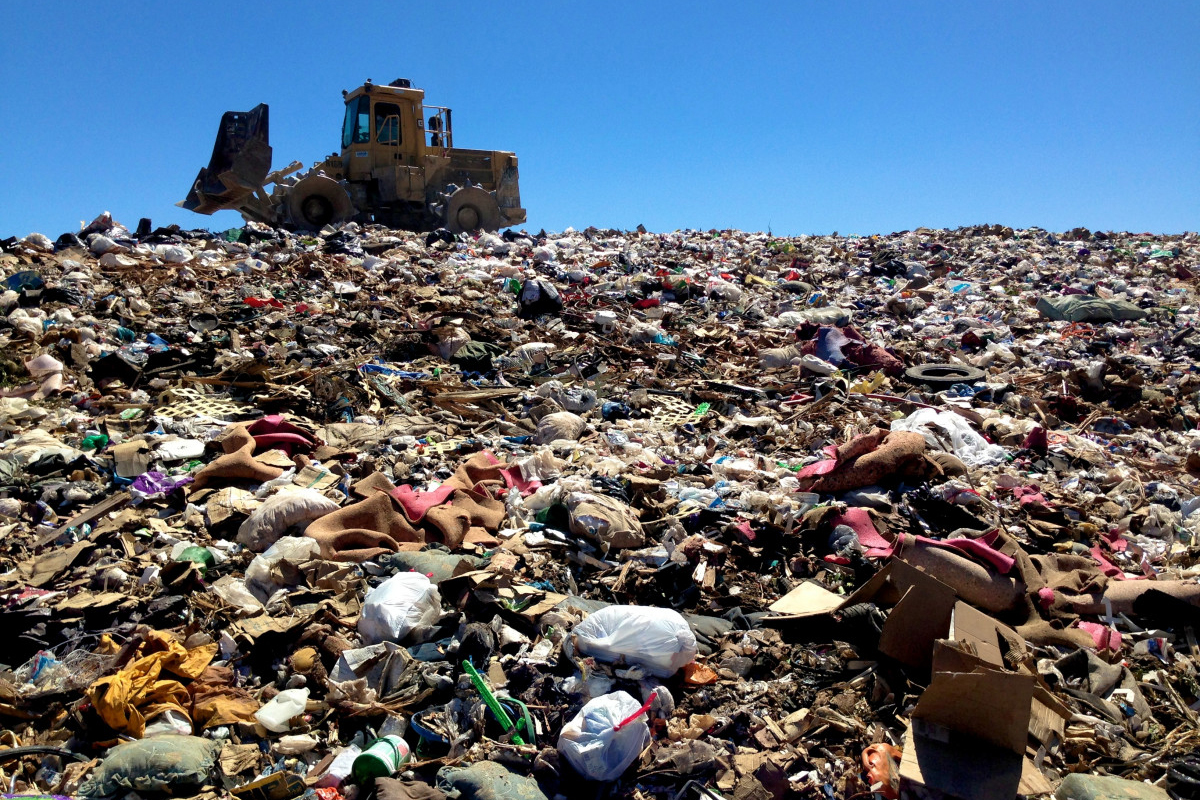
About 85 percent of clothes end up in landfills after being discarded where they release methane into the atmosphere and toxins into groundwater and soils. | Credit: Alan Levine
To tackle this problem, the California legislature passed a bill last week requiring clothing producers to create a system for recycling their products when people are done using them. Soon, residents of the state will be able to bring unwanted and damaged apparel to collection sites including thrift stores and charities to be sorted and recycled. The law, signed by the governor, is known as the Responsible Textile Recovery Act and also covers towels, bedding, and upholstery but not mattresses or carpeting. The legislation was endorsed not only by environmental groups and municipalities but also retailers like Ikea and Everlane.
Manufacturers have until 2026 to establish a nonprofit organization to develop collection sites and other programs like being able to mail textiles back to a producer. The goal is to transition the industry, including “fast fashion” items worn just a few times, to a sustainable and circular economy. Currently, the fashion industry is a leading polluter, emitting about ten percent of global CO2.
The sponsor of the bill, State Senator Josh Newman, said in a statement that it isn’t just about recycling but also transforming the way we think about textile waste.
Adding Fluoride to Drinking Water May Not Be as Effective as It Once Was
Fluoride is a mineral found naturally in soil, water, and plants. Since 1945, many municipalities have added the compound to water supplies to strengthen tooth enamel and prevent cavities. Just under two-thirds of the U.S. population (209,135,866 people in 2022) currently has fluoridated drinking water, according to the U.S. Centers for Disease Control and Prevention (CDC), but it’s not been without controversy.
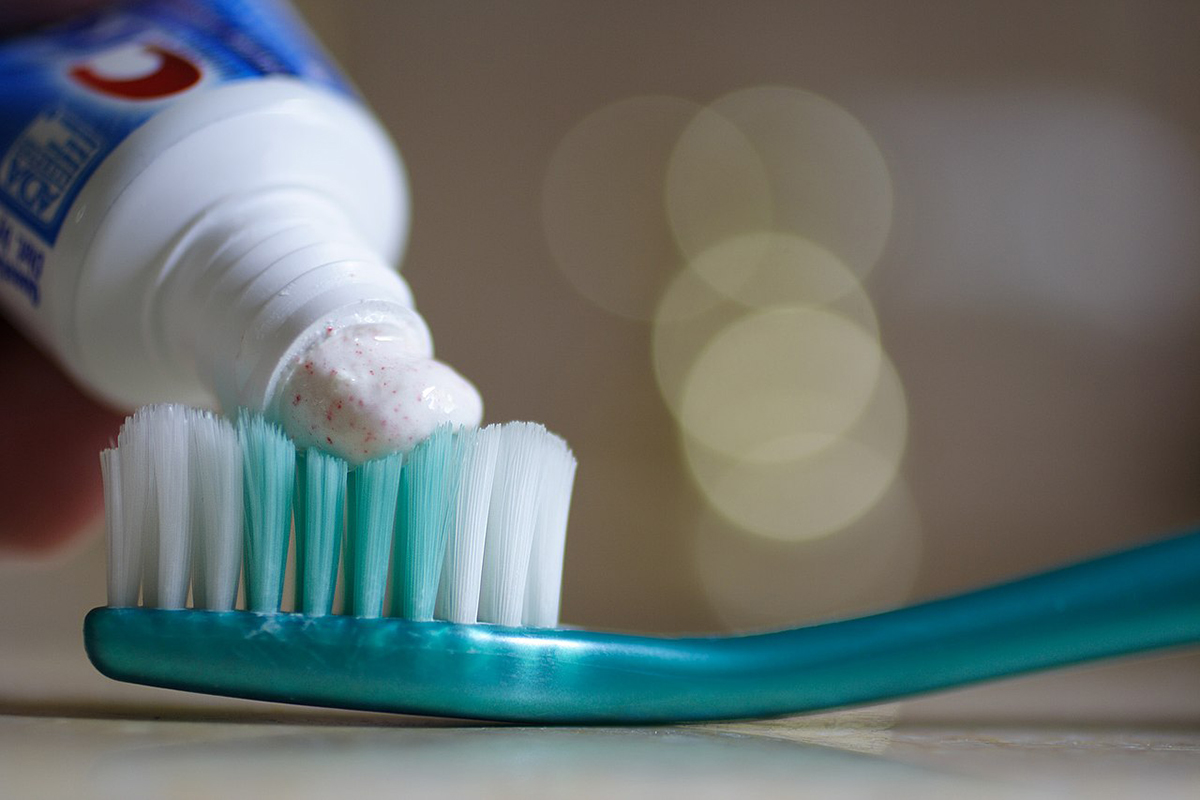
A new study says water fluoridation may be less effective than it was in the past, given many toothpastes and mouthwashes contain the mineral. | Credit: Thegreenj/Creative Commons
Opponents have argued there’s a potential risk of toxicity in young children, and a court decision last week may boost their case. As the Associated Press reports, U.S. District Judge Edward Chen ordered the U.S. Environmental Protection Agency to further regulate fluoride in drinking water, citing uncertainty about whether high levels could pose a risk to the intellectual development of children.
Meanwhile, a new study out this week says water fluoridation may be less effective than it was in the past, given many toothpastes and mouthwashes contain the mineral. A team of researchers including the Universities of Manchester, Dundee, and Aberdeen, analyzed 157 studies that compared tooth decay in children living in communities with water fluoridation and without. They found that the benefit had declined since the 1970s, when fluoridated toothpastes became widely available.
The CDC and the American Academy of Pediatrics still support fluoridation as an equitable and inexpensive way to prevent dental disease, noting that tooth decay disproportionally affects low-income and underserved communities. The researchers add that fluoridation can lead to small improvements in oral health but another issue to address might be the high amounts of sugar in our diets.
The research was published in the Cochrane Database of Systematic Reviews.
Kids Should Play Outside to Avoid an Eye Condition That’s Exploding Worldwide
If parents need another reason to nudge kids off smartphones and screens, new research has their back. It says getting children outdoors and away from devices will protect their vision.
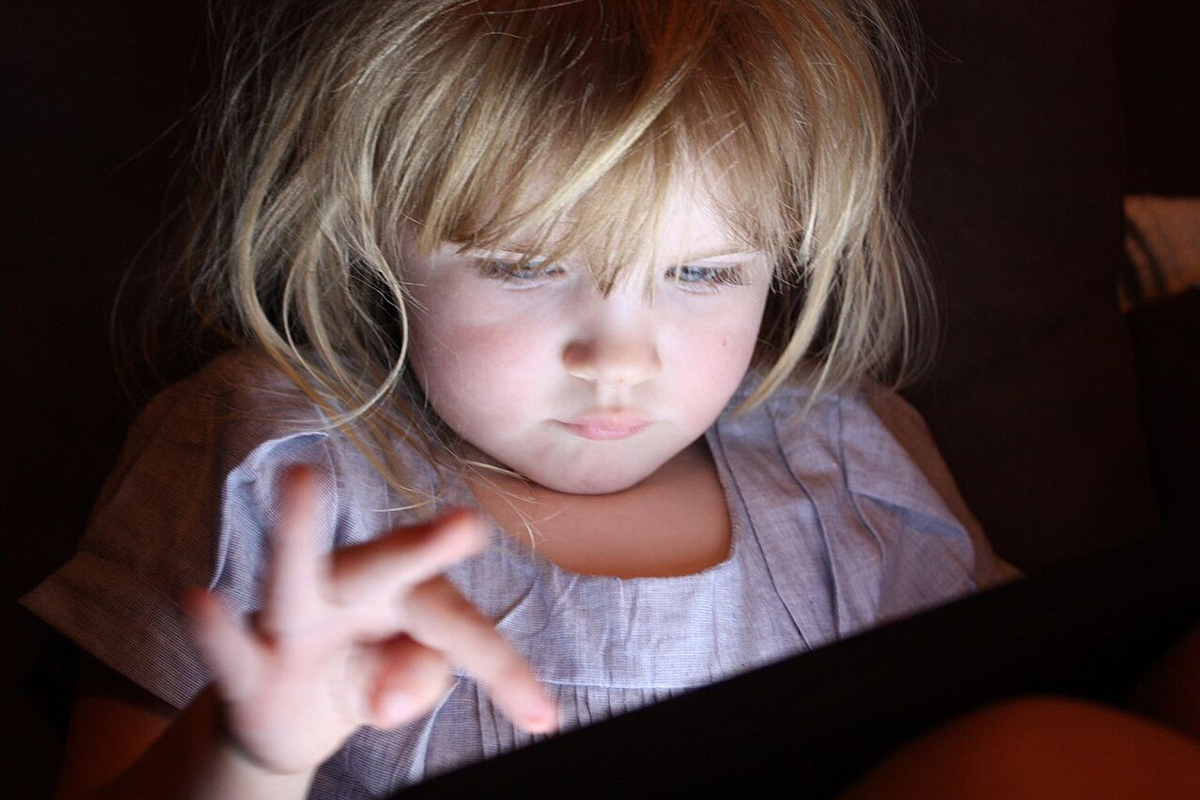
Myopia or nearsightedness, an eye condition where a person can’t clearly see objects in the distance, is on the rise, and children spending too much time on devices is to blame, researchers say. | Credit: VanessaQ/Creative Commons
Researchers in China say that myopia, or nearsightedness—an eye condition where a person can’t clearly see objects in the distance—is on the rise, and children spending too much time on screens is to blame. A study published in the British Journal of Ophthalmology says that one in three children worldwide were nearsighted in 2023, but that number could rise to almost 40 percent by 2050. While genetics plays a role in myopia, it can’t account for the upswing.
The researchers found that children living in urban areas are more likely to develop the condition, particularly in Southeast Asia, where kids start school as young as age two and are often on screens doing “near work” in which they interact with close objects like phones and other devices. The researchers add that COVID-19 lockdowns might have contributed because youngsters spent more time on devices. While myopia can be managed with glasses, for some it develops into a far more serious condition called myopic maculopathy, which could lead to vision loss.
What can be done? Get kids outside, the researchers say. A report last month by committee members at the National Academies of Science, Engineering, and Medicine in the U.S. said one of the best ways to prevent nearsightedness is to have children spend at least one to two hours outdoors every day. As the CDC explains, playing outside allows kids to look at distant objects and be in natural light. This lets their eyes recover from strain and fatigue. Also, being in nature benefits them physically and mentally, plus allows them to get vitamin D, which has been associated with a lower incidence of myopia.